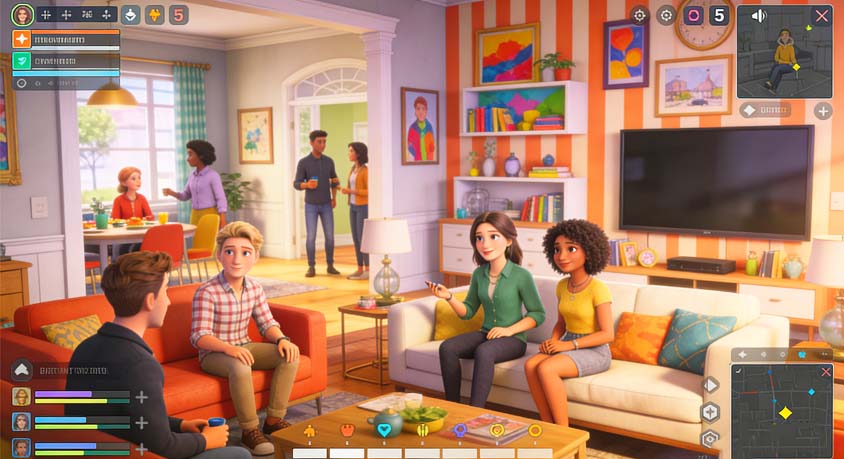
Let's talk about a universal, almost sacred ritual. It starts with buying a base game—a digital tract of land. Then, over years, you cultivate it. A Stuff Pack here for the perfect patio furniture. An Expansion Pack there for pets, or seasons, or the ability to become a vampire for some reason. You invest not just money, but a curated sense of ownership. Your Sim universe is yours, a messy, wonderful dollhouse built piece by piece. Now, imagine that dollhouse has its front wall permanently removed, replaced with a neon-lit concession stand selling individual wallpaper patterns for $4.99 each. This isn't a nightmare—it's the very plausible, quietly terrifying future hinted at by The Sims 5 going free-to-play. For a franchise built on player agency and creative control, this isn't an evolution; it's an ambush on the very feeling that made people love it in the first place.
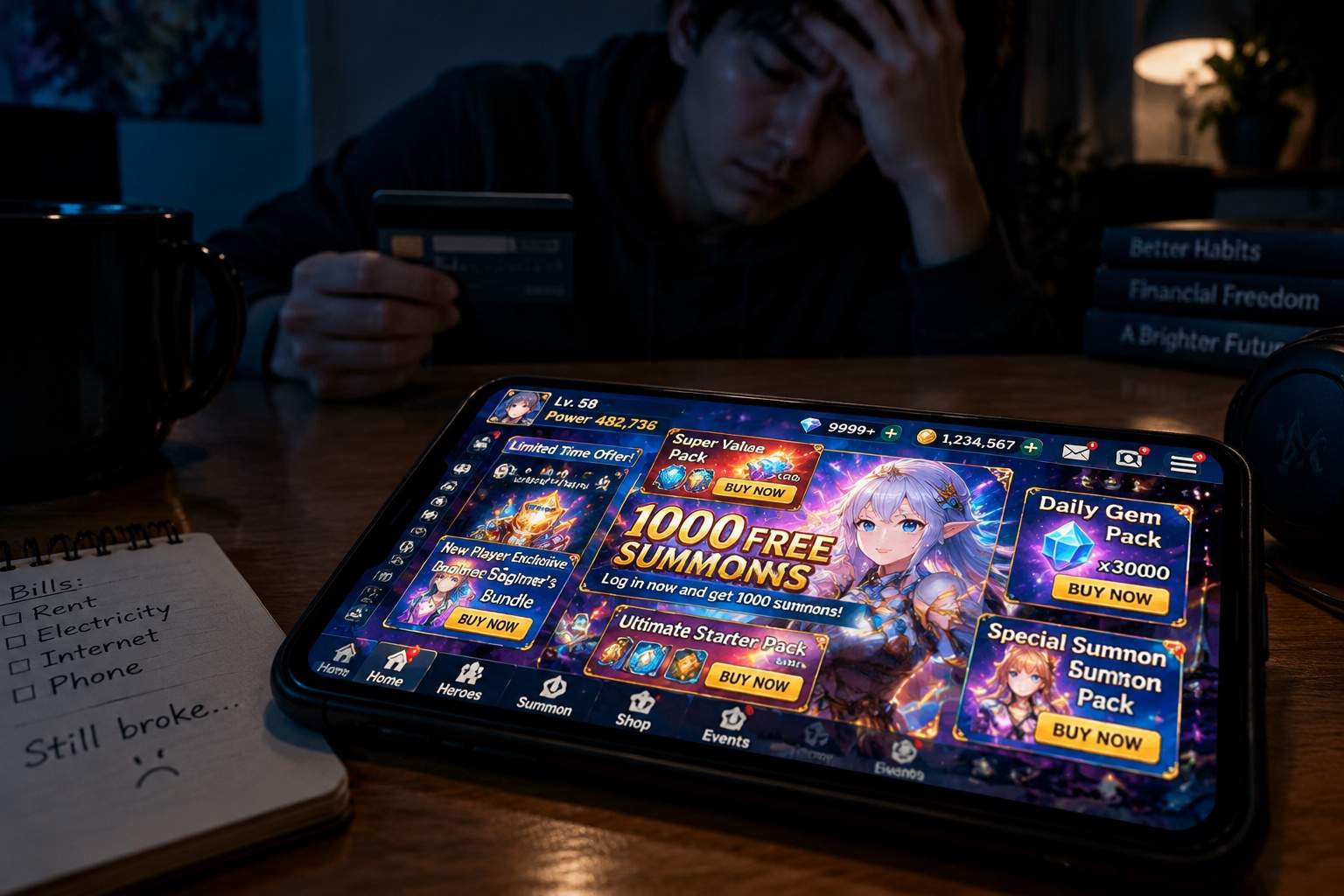
The core conflict here is between two languages: the language of ownership and the language of access. For two decades, The Sims spoke the former. You paid a lump sum, and a chunk of content was yours, forever, to use or abuse as you saw fit. The notorious "EA greed" was at least predictable: you saw the pack, you grumbled about the price, you bought it (or waited for a sale). The transaction had a clear conclusion. Free-to-play speaks the language of perpetual access. You get the "game" for free, but the actual play—the furniture, the clothes, the careers, the hairstyles—exists behind a labyrinth of microtransactions, battle passes, and timed exclusives. The danger isn't paying money; we've always paid money. The danger is that the joy of creation becomes gatekept by a relentless, psychological monetization strategy designed to make not spending feel like you're missing out on your own imagination.
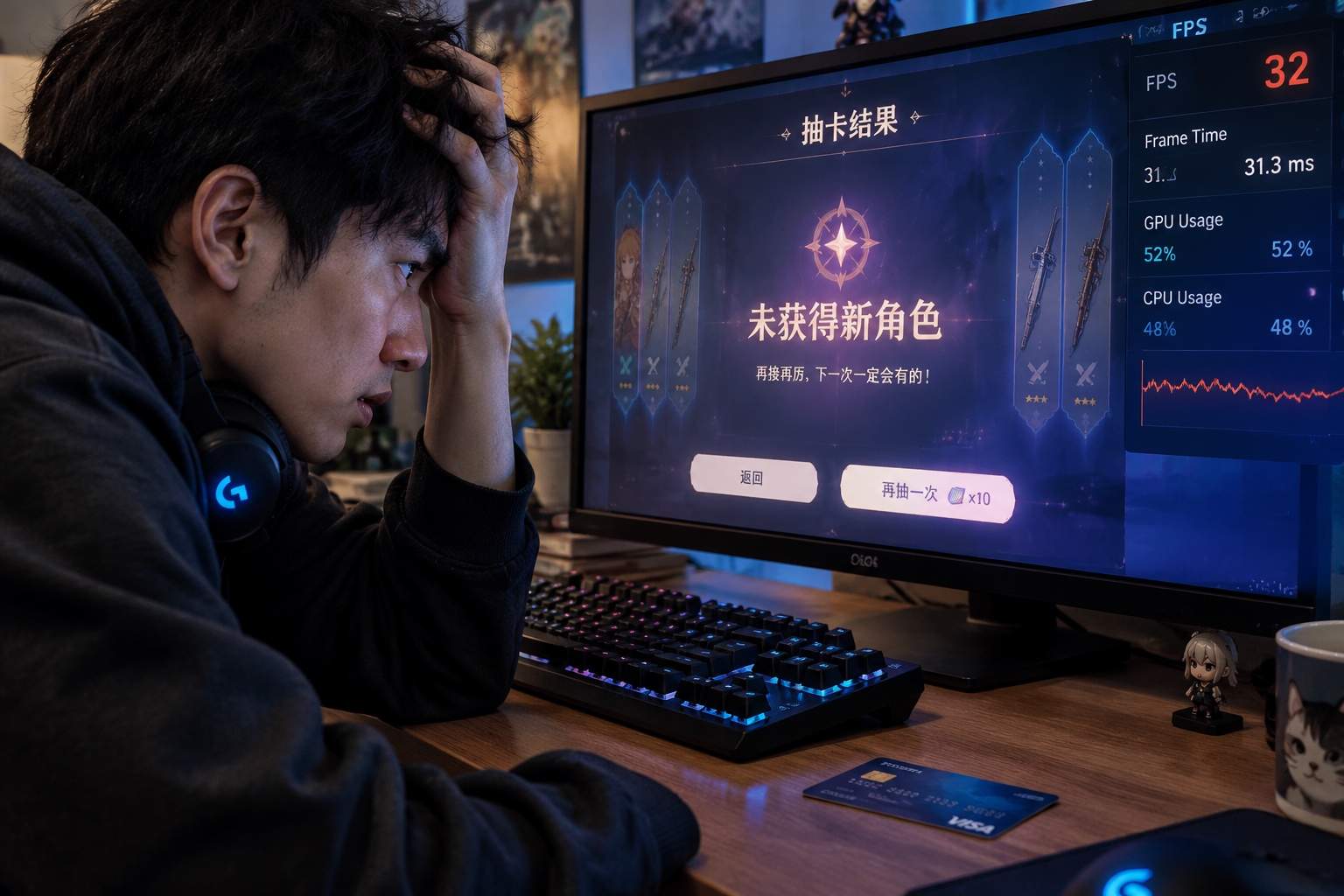
Think about the most mundane, beautiful moments in The Sims. Spending an hour designing the perfect, quirky bedroom for your new character. That activity's soul comes from having a full toolbox. In a predatory F2P model, what if the rustic bed frame is in a premium battle pass, the cozy rug is a standalone purchase, and the perfect shade of wall paint is a "SimCoin" exclusive? Suddenly, creativity is quantified and commodified. The prompt changes from "What do I want to build?" to "What am I allowed to build with the scraps I've earned or can afford this week?" It turns a sandbox into a gacha game for sofas. The anxiety of missing out replaces the calm satisfaction of building.
And let's not forget the social experiment angle. Project Rene hints at multiplayer features. Combine shared spaces with a free-to-play economy, and you've created the perfect petri dish for digital keeping-up-with-the-Joneses. Will your friends' Sims be lounging on luxury pool furniture you can't afford, turning your lovingly crafted but fiscally responsible home into the neighborhood eyesore? The pressure to spend shifts from a personal choice to a social tax. The series' classic, solitary dollhouse play risks becoming a showroom for monetization, where your creativity is silently judged by your wallet's depth.
This isn't to say EA is evil (tempting, I know). They're a business responding to market trends. But The Sims isn't just any product; it's a unique creative outlet with a deeply loyal, sensitive community. The fear is that in chasing the Fortnite money, they'll sacrifice the series' heart: the peaceful, self-directed, and complete sense of ownership over a little digital life. The disaster isn't that The Sims 5 will be free. The disaster is that the things we love doing in it might feel forever rented, never owned. So, as we await more news, the question isn't just "Will it be fun?" It's "Will it still feel like mine?" And for a generation of players who grew up building homes pixel by pixel, that's the only question that really matters.
Disclaimer: Mention of any brand or trademark is for identification only and does not imply partnership or endorsement