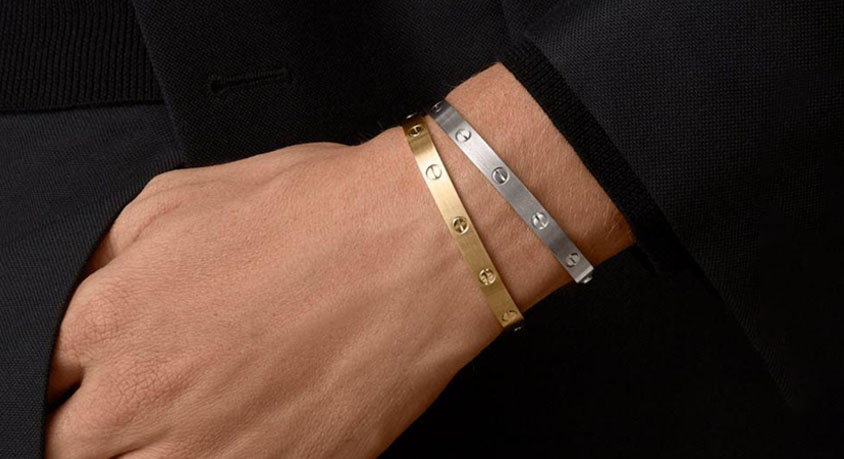
I remember trying on my first high‑end piece at a Cartier boutique while waiting for a friend who was running late. The light caught the bracelet just so, and for a moment I thought, “Okay… if this is the one, it’s got to feel like me, every day.” It wasn’t about sparkle or showing off—it was about something that would actually live with me. That little moment stuck with me, and it’s exactly the feeling that makes picking your first luxury piece kind of addictive.
One of the first decisions is brand versus style. Legacy maisons like Cartier, Van Cleef & Arpels, Harry Winston, and Bvlgari carry craftsmanship, history, resale value. Many sources list Cartier and Van Cleef among the top brands when stepping into fine jewellery. If you pick one of those, you get more than a piece—you get a story, a heritage. On the other hand, you might choose something by a fashion‑luxury house like Gucci with strong style appeal but smaller price tag for entry‑luxury. Deciding early whether heritage or style matters more to you will save a lot of indecision.
Next: what type of piece? Start with something you’ll wear often. A bracelet, a pair of stud earrings, a pendant. When I chose my first entry piece, I picked a bracelet because I flick my wrist a lot—coffee, laptop, subway handrail—and I knew it would catch just enough light. If you commute, move cities, meet friends for casual dinners, pick something that works with jeans and blazer—not just gala dresses. For example, the Cartier Love Bracelet is iconic, fits day to night, and carries that “I made this meaningful choice” weight. If studs are more your thing, Gucci’s rose‑gold diamond studs bring luxury without shouting.
Style wise: think about versatility and subtlety. When I tried on the Van Cleef & Arpels Vintage Alhambra bracelet I noticed how its motif wasn’t over‑the‑top—it had elegance, pattern, texture, but still worked with a cotton tee. That balance feels smart. Entry high‑end jewellery should feel like you own it, not it owns you. A small tip: check width, size, motif scale while standing under normal room light, not just boutique spotlight. I’ve seen someone buy a large pendant that looked great under showroom lights but in natural daylight looked oversized for everyday.
Budget realistic yet ambitious: entry high‑end often means thousands of dollars (or equivalent), not hundreds. I’ve read that many first‑time fine jewellery buyers allocate a meaningful sum—not casual accessory money but real investment‑mindset. When you commit to that kind of budget, you pay for craftsmanship, materials, service. A practical trick: visit a boutique, spend time trying things on, and note how you feel after one hour. If you still love it after daily routine (coffee, computer screen, dinner table), it’s a keeper.
Service and aftercare matter. Heritage brands usually have strong global service networks. If you’re moving cities or travel, that gives peace of mind. I once bought a piece from a smaller house and later discovered servicing would involve shipping it back internationally—fine for big events, less so for daily wear. For your first high‑end piece, brand choice affects not just purchase but ownership experience.
Another thing: mix‑and‑match strategy. You might already have mid‑luxury or fashion jewellery. Rather than dumping everything, choose one high‑end piece that anchors your look. I did that with my first bracelet; I still wear cheap silver rings but the bracelet is the conversation starter. If you go for studs (like the Gucci ones), they might become your daily wearable, the piece you don’t remove. That makes sense for first time—something you’ll actually wear, not hide.
Not too trend‑chasing, but aware. If a motif is ultra‑on‑trend one year (say oversized geometric links), you may tire of it faster. I prefer timeless elements: clean lines, good proportion, subtle signature of the brand. For example the Alhambra motif has been around for decades. If you pick something too “flashy fashion‑trend”, you might look back and feel it doesn’t represent you anymore.
Emotion and practicality both count. When I looked at that first bracelet in Berlin it felt like a milestone more than a purchase. But I also made sure it worked with my daily life. It slid smoothly between meeting a friend and catching the last tram. That duality matters. You want the piece to integrate—not dominate. It should whisper luxury, not shout: “Look at me.”
When you’re ready, go into a boutique, wear pieces while doing something normal—lunch, train ride, street light—and ask: does this feel like me, tomorrow, next year, many years? If yes—go for it. And worth noting: choosing your first high‑end jewellery piece isn’t just buying something beautiful, it’s choosing an anchor in your style journey. Think of it like the first fine watch many buy—it marks that you care, that you’re investing in yourself. Enjoy that first choice.
Disclaimer: Mention of any brand or trademark is for identification only and does not imply partnership or endorsement