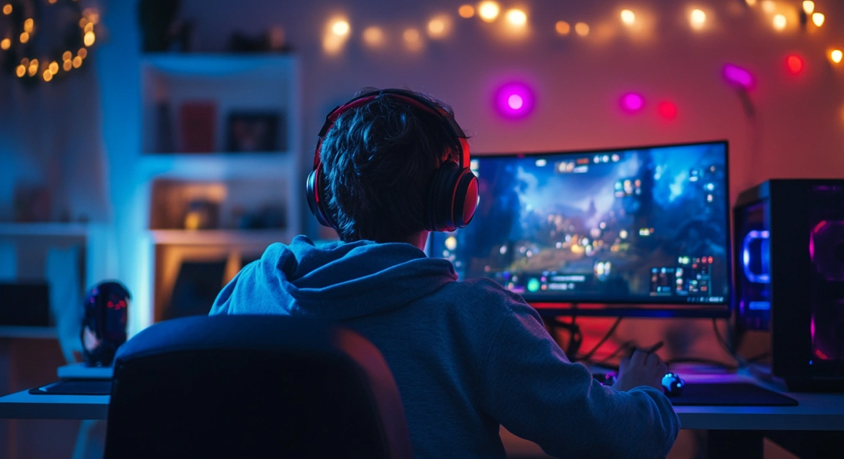
Last week, I stayed up watching Valorant pro SicK stream after his team lost a close match. Instead of slamming his keyboard or spamming “gg ez” in chat (like I do when I get clapped), he pulled up the replay and hit pause—on a frame of his own death. “See that?” he said to his chat, pointing at his screen. “I didn’t check the left corner—total rookie move.” I sat there like, “Wait, you’re gonna dissect that 2-second mistake instead of jumping into the next game?” But that’s the tea: pro gamers don’t get good ‘cause they’ve got faster fingers. They get good ‘cause they think differently. And the best part? Those mindset hacks? They work for any competitive game—no pro contract required.
First off: replay review is non-negotiable. No cap, I used to lose a match, yell “bad teammates!” and queue up again like it’d fix something. Pros? They treat replays like homework—except way more intense. SicK spends 2 hours post-practice going through every round, marking moments where he messed up audio cues, overextended, or even wasted a grenade. It’s not about beating himself up; it’s about turning “I got lucky” or “I got unlucky” into “I know exactly what I messed up.” Think about it: if you never look at why you lost, you’ll just keep making the same mistakes—like trying to bake a cake without fixing the oven that burns every batch.
Then there’s tilt avoidance—aka keeping your cool when the game tries to break you. I’ve been there: you miss a clutch shot, your teammate feeds, and suddenly you’re rushing every fight like you’ve got something to prove. Pros like Faker (yeah, the Faker) have a rule: if they lose two rounds in a row, they stand up, stretch, and drink a glass of ice water. Why? Tilt turns your brain into mush—you stop thinking, start reacting, and next thing you know, you’re throwing rounds you should’ve won. It’s not about being soft; it’s about protecting your focus. Think of it like a phone battery—if you keep using it when it’s at 5%, it dies fast. Pause, recharge, come back.
Map awareness is another big one—and no, it’s not just “look at the minimap.” Pros treat maps like they’re studying for a test. CS:GO legend Coldzera once said he memorizes every “hot spot” (read: where enemies love to camp) on Dust II like he’s memorizing his grocery list. He knows exactly where to check before pushing, which corners to listen for footsteps in, and even how long it takes an enemy to run from A to B. Us regular players? We’re just wandering around like tourists in a new city—no plan, no clue. But here’s the hack: start small. Pick one map, and every time you play it, note one new spot. By the third game, you’ll be way less likely to get jumped.
Resource management is next—and it’s not just about hoarding potions or ammo. In League of Legends, pro Caps doesn’t just chase kills; he’s always asking, “Is this fight worth my time? Should I be farming instead? Can my team take the dragon if I go here?” Regular players? We see an enemy and sprint—even if it means leaving our team hanging or missing a chance to push a tower. It’s like going to a party and eating all the snacks before your friends arrive: sure, you’re full, but everyone else is mad, and you ruined the vibe. Pros play the long game—they know when to hold back, when to push, and when to give resources to a teammate who’s on fire.
Finally: stop “playing” and start practicing. I used to think “grinding ranked” was the way to go—play 10 games a day, and I’ll get better. Spoiler 2: it’s not. Pros don’t just log hours—they log intentional hours. If a pro’s last-hitting minions is off, they’ll spend 30 minutes in training mode, no distractions, just focusing on last hits. If their aim’s wack, they’ll do aim drills before jumping into ranked. It’s like working out: you don’t just lift random weights—you target specific muscles. Playing without a goal is just wasting time—you might as well be watching cat videos (no shade, but cat videos won’t make you better at Valorant).
Here’s the thing: these habits aren’t reserved for people who get paid to play games. They’re for anyone who’s ever thought, “Why do I keep losing?” Pro gamers aren’t aliens—they’re just people who figured out that winning isn’t about talent. It’s about how you think, how you learn from mistakes, and how you stay calm when the game tries to break you.
Disclaimer: Mention of any brand or trademark is for identification only and does not imply partnership or endorsement