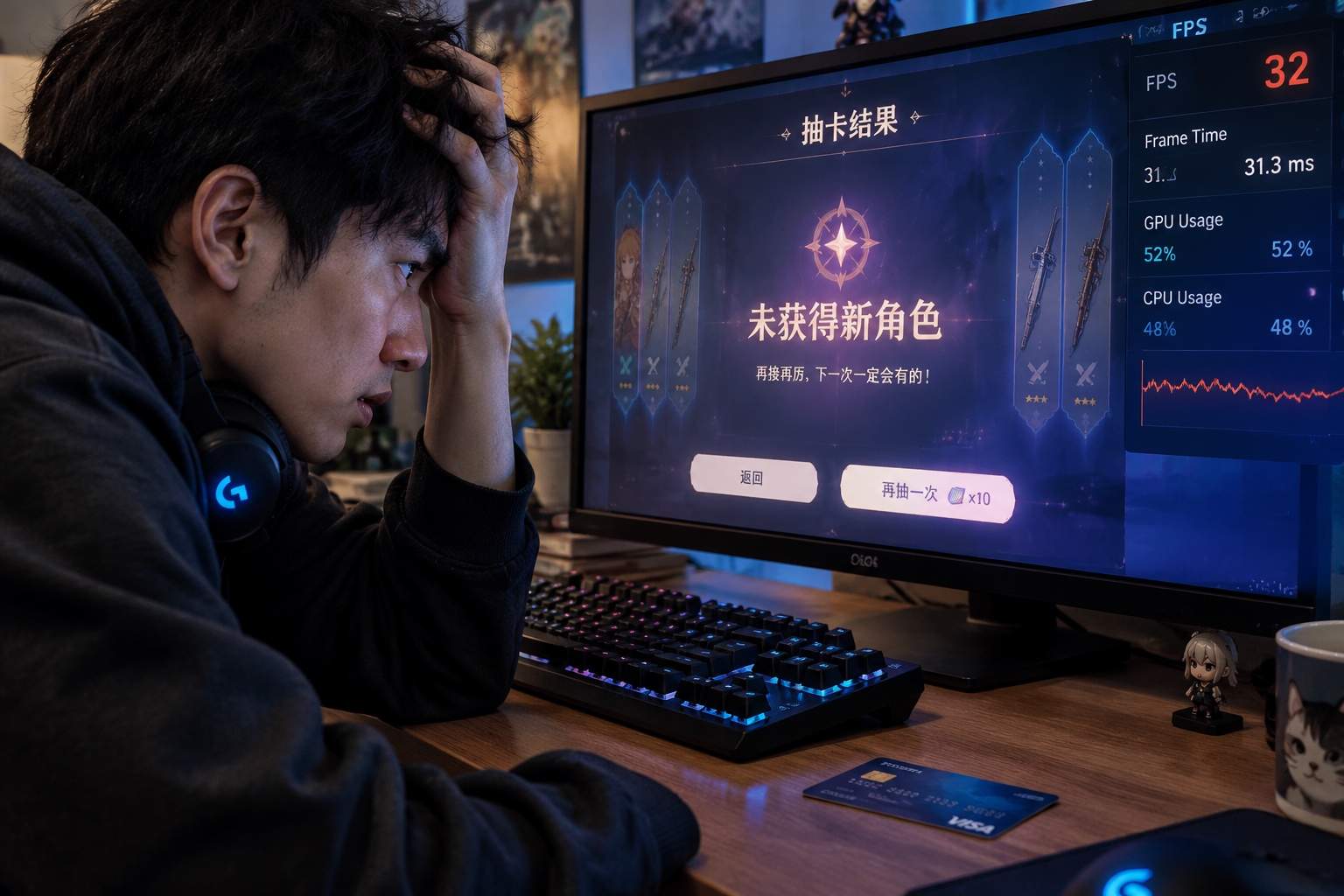
My friend Mike texted me at 2 a.m. last month, all caps: “I QUIT MY JOB—I’M GONNA BE A FULL-TIME GAME STREAMER!” He’d just watched a Twitch streamer laugh through a Fortnite match, high-five chat, and mention “paying rent with this gig.” Mike thought he’d copy that vibe—fire up Valorant, crack a few jokes, and watch subs roll in. Spoiler: By week three, he was back at his old job, confused and kinda defeated. “Why’s it so hard?” he asked me. “They make it look easy.” That’s the million-dollar question: Is being a game streamer a real career, or just another internet pipe dream? Let’s break it down—no fluff, no hype, just the messy, honest truth.
First, let’s talk about competition. You know that feeling when you join a Warzone lobby and it’s 150 people fighting for one win? That’s streaming, but multiplied by millions. Twitch alone has over 9 million active streamers every month—and most of them are just like Mike: regular people who love games and want to share it. The big names you see (the ones with the fancy setups and sponsored deals)? They’re the top 0.1%. Most streamers? They’re playing to 5, 10, maybe 20 viewers—often friends, family, or random people who clicked by accident. It’s not that you’re bad; it’s that everyone’s fighting for attention. Think of it like opening a coffee shop on a street with 100 other coffee shops—you need more than just “good coffee” (or good gameplay) to stand out.
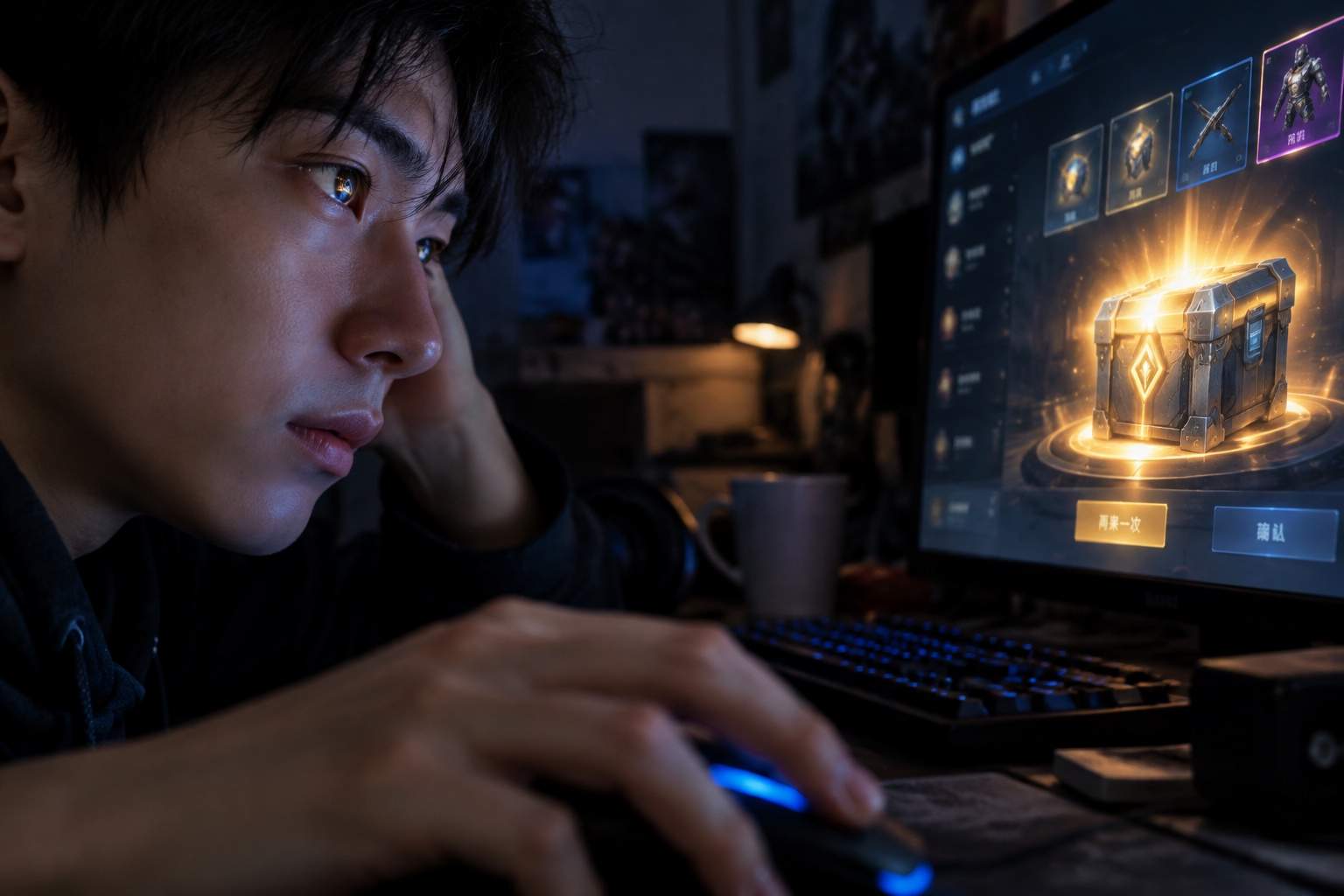
Then there’s the “it’s not just playing games” part. Mike thought he’d log on, play for 4 hours, and call it a day. But the successful streamers? They’re working full-time jobs—just jobs that look like fun. They plan content (e.g., “Retro Game Marathon Friday” or “Viewer 1v1 Tournaments”), edit clips for TikTok/YouTube to drive traffic, respond to chat messages while playing, and even network with other streamers to cross-promote. One small streamer I follow, Lila, told me she spends 2 hours prepping every stream (writing talking points, testing her mic, picking games) and 3 hours post-stream (editing highlights, replying to DMs, updating her schedule). “Playing games is the fun part,” she said. “The rest is just… work.” Mike skipped all that—he’d log on, say “uhh, what’s up?” to an empty chat, and then zone out playing. No surprise people clicked away.
But here’s the thing: It’s not impossible. You just need to stop chasing the “big streamer” vibe and start chasing your vibe. Take my cousin Javi—he loves obscure 2000s puzzle games, the kind no one else streams. He started small: streaming 2 nights a week, talking about why he loves those old games, and asking chat for recommendations. After 6 months, he had a little community—50 regular viewers who tuned in just to geek out over Portal mods and Professor Layton theories. He doesn’t make enough to quit his day job, but he makes enough to cover his gaming gear and treat himself to takeout once a week. That’s the secret a lot of people miss: Streaming doesn’t have to be “full-time” to be real. It can be a side hustle, a hobby with a little extra cash, or just a way to make friends who love the same weird games you do.
Mindset matters too. Mike got discouraged because he thought “success” meant hitting 1,000 subs in a month. But the best streamers I know measure success differently: a viewer saying “your stream helped me through a bad day,” or a regular who shows up every night with an inside joke. Streaming is slow—like, “plant a seed and wait 6 months to see a sprout” slow. You’re not building an audience; you’re building a community. And communities don’t form because you’re good at Apex Legends—they form because people like you. One streamer I watch, Kai, is terrible at Minecraft (he dies to creepers every 10 minutes), but his chat loves him because he laughs at himself and asks about their days. “I’m not here to be a pro,” he says. “I’m here to hang out.”
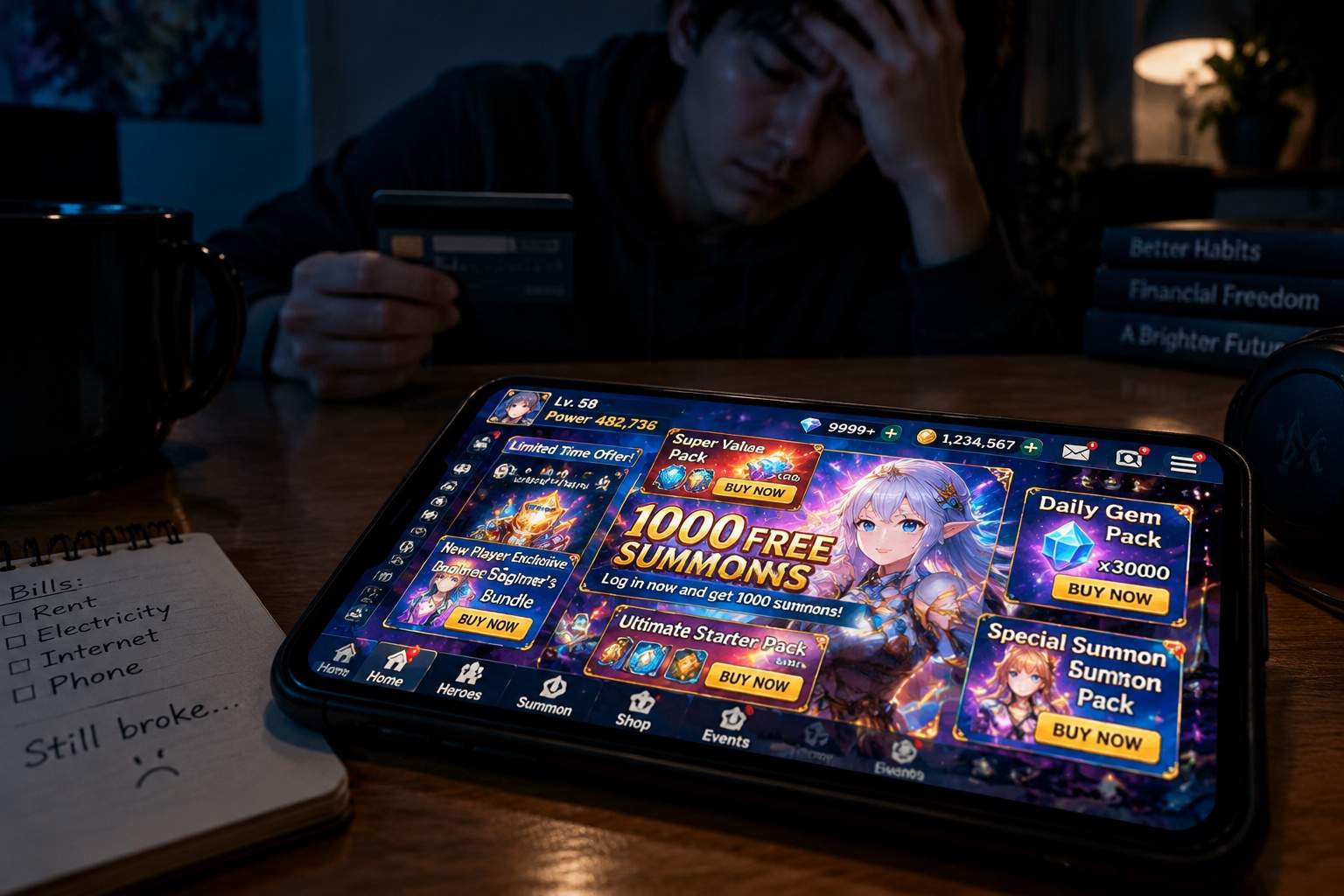
So, is being a game streamer realistic? Yes—but not in the way Mike imagined. It’s realistic if you’re okay with starting small, working hard (even when no one’s watching), and focusing on the fun over the fame. It’s not realistic if you think you’ll quit your job next month and be rolling in sponsorships. Mike learned that the hard way—but he’s back to streaming casually now, 2 nights a week, playing the indie games he actually loves. Last week, he texted me: “Had 12 viewers tonight—one guy stayed to talk about Hollow Knight for an hour.” He sounded happy—genuinely happy, not the “I hope this pays rent” happy. That’s the real win.
If you’re thinking about streaming? Go for it. Grab a cheap mic, pick a game you’re obsessed with, and hit “go live.” But set your expectations right: It’s not a get-rich-quick scheme. It’s a chance to share what you love—with whoever wants to watch. And who knows? Maybe one day, you’ll be the one someone texts about, saying “I wanna be like them.” Just don’t forget to have fun along the way.
Disclaimer: Mention of any brand or trademark is for identification only and does not imply partnership or endorsement