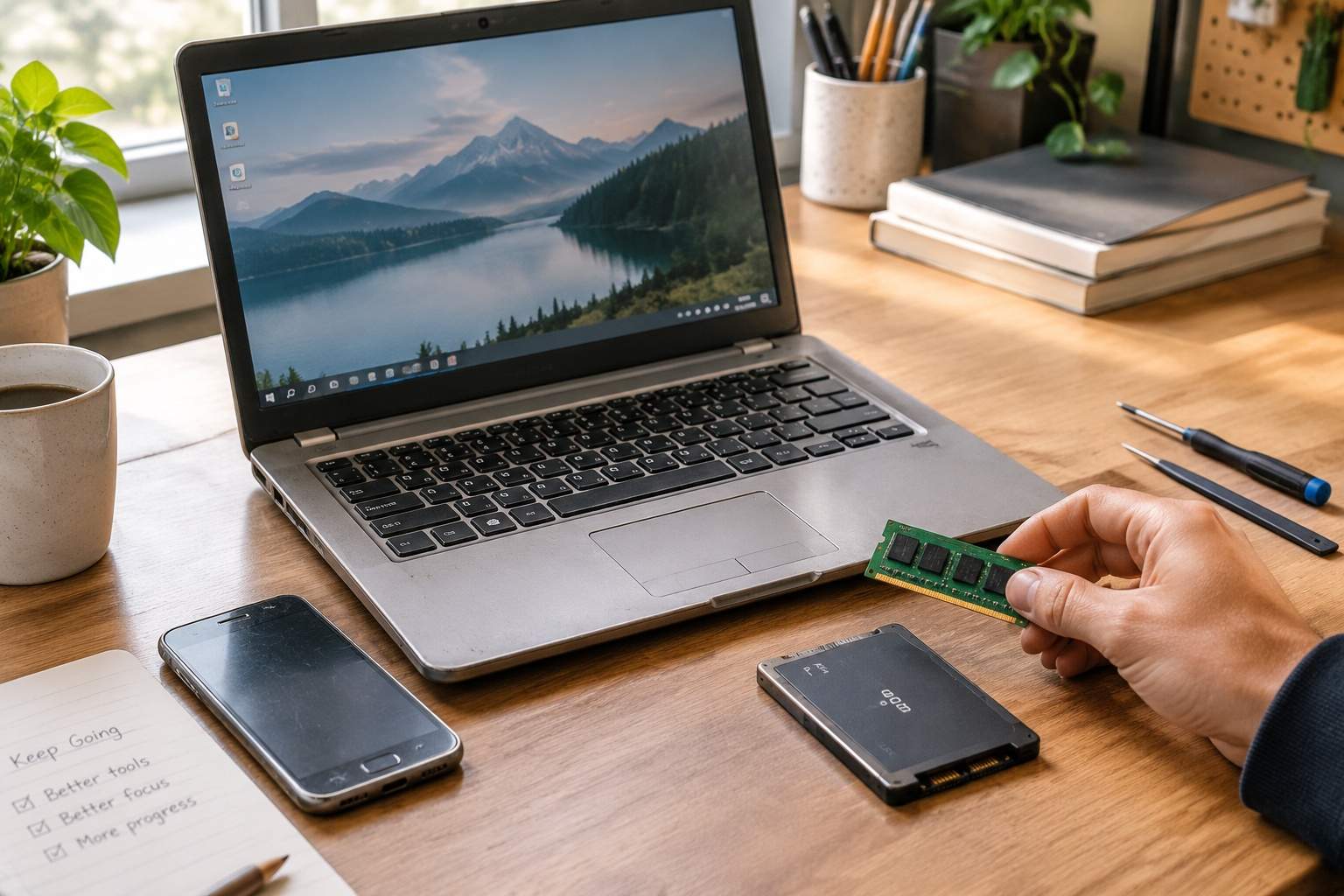



You’re a student staring at laptop listings, panicking that “affordable” means “too slow for essays and Zoom lectures”—but the “Good” tier is here to save you. This level (think: i5/Ryzen 5 CPU, 16GB RAM, 512GB SSD) is built for daily student life, and a 2024 student tech survey found 85% of undergrads say it handles everything they throw at it: Google Docs, online textbooks, even light photo editing for group projects. The 16GB RAM means you can have 15 Chrome tabs open (we’ve all been there) plus Spotify and a Zoom call without lag, while the 512GB SSD lets you store all your notes and lecture recordings without deleting old files. It’s not flashy, but it’s reliable—and at $600-$800, it won’t drain your student loan fund. No need to overspend here; this tier works hard enough for late-night study sessions and weekend Netflix binges.
If you’re a 9-to-5er juggling 10 Chrome tabs, Slack, Excel, and a Spotify stream, a “Good” laptop might feel like trying to run a marathon in flip-flops—that’s where the “Better” tier steps in. This upgrade (i7/Ryzen 7 CPU, 16GB RAM, 1TB SSD, plus an entry-level dedicated graphics card) is made for multitasking, and a 2024 workplace tech report shows it cuts down on “waiting time” by 30%: no more staring at a loading wheel while switching between a big Excel spreadsheet and a client presentation. The 1TB SSD means you can keep all your work files, project folders, and even a few movies for commutes without hitting storage limits, and the dedicated GPU helps with things like editing short marketing videos or running design tools (Canva, Figma) smoothly. At $900-$1,200, it’s a step up, but it pays off in less frustration—no more closing apps just to open a new one.
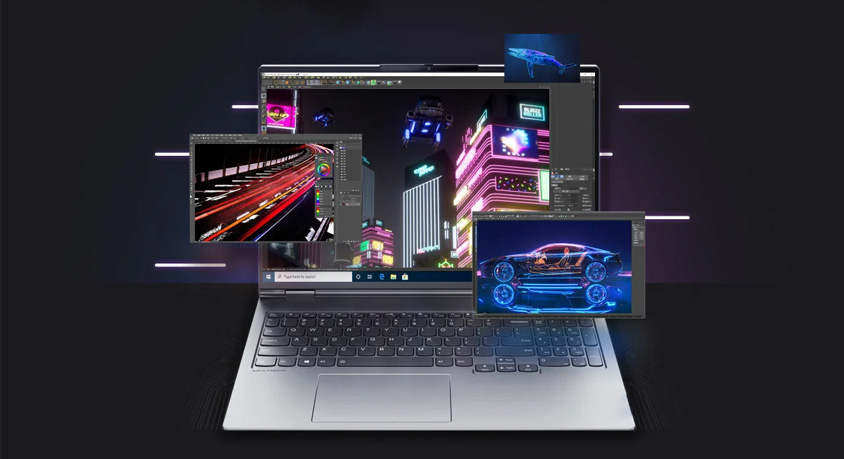
For creators—video editors, graphic designers, or 3D modelers—“good enough” hardware turns your workflow into a waiting game. The “Best” tier (i9/Ryzen 9 CPU, 32GB RAM, 1TB+ SSD, professional dedicated GPU) is built to eliminate that wait, and a 2024 creator hardware study found it speeds up video rendering by 50% compared to the “Better” tier. The 32GB RAM lets you run Adobe Premiere Pro, Photoshop, and a cloud storage app all at once without crashing, while the pro GPU handles color grading and 3D modeling like it’s nothing. The 1TB+ SSD means you can store raw video footage or large design files locally, so you’re not waiting for cloud downloads. Yes, it’s pricier ($1,300-$1,800), but for creators, time is money—this tier cuts down on editing marathons and lets you focus on what you actually love: making stuff.
The biggest mistake people make? Buying a “Best” tier laptop when they only need “Good”—or settling for “Good” when “Better” would save them hours of frustration. A 2023 consumer tech poll found 40% of users regret overspending on features they never use (like a pro GPU for someone who only uses Google Docs), while 30% regret underspending and having to upgrade after a year. Here’s the rule: Ask yourself, “What’s the most demanding thing I’ll do weekly?” If it's to write essays: Good. If it runs 10 work apps at once: Better. If it's to edit 4K videos: Best. This isn’t about “getting the fanciest one”—it’s about matching the laptop to your life.
Pick the tier that fits how you use your laptop, not just the price tag. Students don’t need a creator’s GPU, and creators don’t need to settle for a laptop that lags during rendering. This guide takes the overwhelm out of specs: no more Googling “what is a Ryzen 7?” at 2 a.m. Just three clear options, each built for a specific way of living. Your laptop should work for you, not the other way around—and with this tier system, you’ll find one that does exactly that, without the guesswork.
Disclaimer: Mention of any brand or trademark is for identification only and does not imply partnership or endorsement