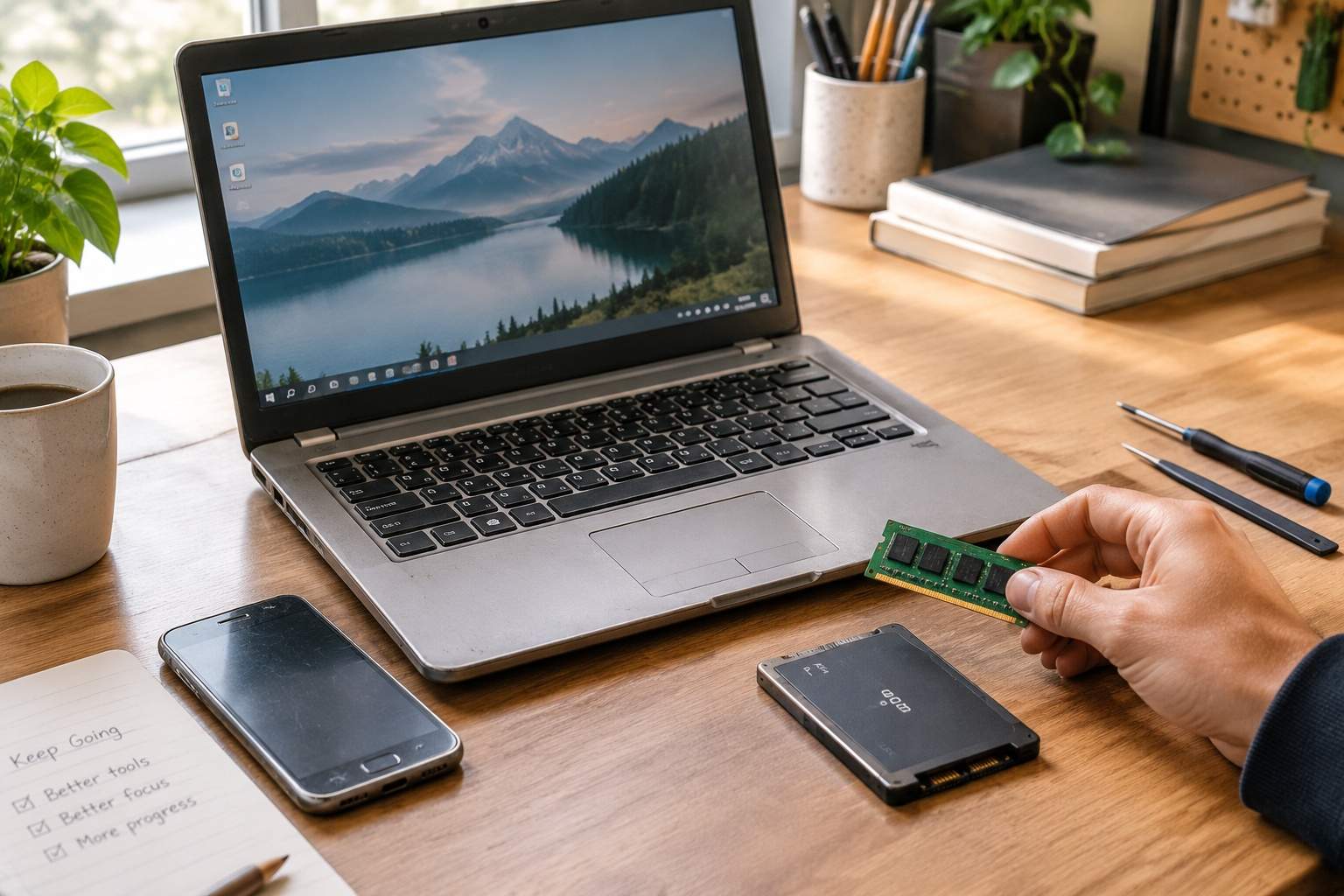

That cracked-screen phone in your drawer isn’t just clutter—it’s a sustainability crossroads. A 2024 e-waste report found over 50 million smartphones end up in landfills yearly, leaking toxic metals like lead and mercury into soil and water. But first, ask: Is it worth repairing? The rule of thumb is simple: if repair costs are less than 50% of the phone’s current resale value, fix it. For example, a $50 battery replacement or $80 screen repair is a no-brainer for a phone worth $300—you can resell it, donate it, or keep it as a backup. A 2023 consumer study found repaired phones have an average second life of 18 months, cutting e-waste by 35% per device. Skip the “it’s easier to buy new” mindset; small repairs keep your phone out of the trash and money in your pocket.
Before you sell or donate your old phone, a “factory reset” isn’t enough—you need to nuke every trace of your data. A 2024 digital privacy survey found 40% of used phones still contain residual data even after a basic reset. The right way? First, back up all your files to the cloud or a hard drive. Then, sign out of every account to prevent the new owner from accessing your info. Finally, use your phone’s built-in “full data wipe” feature—on most devices, this overwrites your data with random code, making it unrecoverable. For extra peace of mind, use a third-party data erasure app that meets industry security standards. This step isn’t just about privacy; it’s about making your phone safe for its next user.
Donating your functional old phone is a win-win—someone gets an affordable device, and you keep e-waste out of landfills. A 2023 charity impact report found donated smartphones help low-income students stay connected to online classes, and senior citizens access telehealth services. Look for local nonprofits that refurbish phones for underserved communities, or national programs that partner with schools and shelters. Before donating, give the phone a quick clean and include a charger if you have one—small touches that make a big difference for the recipient. If your phone is too old to donate, check if retailers offer trade-in programs; many give store credit for even non-functional devices, which they then recycle responsibly.
When repair or reuse isn’t an option, recycling is non-negotiable—but not all recycling is created equal. A 2024 sustainability study found only 15% of e-waste is recycled properly; the rest is shipped to developing countries or dumped illegally. Stick to official channels: most phone manufacturers have free recycling programs (drop off at their stores or mail it in), and local waste management facilities often host e-waste collection events. These programs extract valuable materials like gold, copper, and lithium from old phones—materials that can be reused to make new devices, reducing the need for mining. For example, recycling one ton of smartphones yields 300 grams of gold, which is 10 times more than mining one ton of gold ore. Skip the trash can; proper recycling turns your old phone into a resource, not a liability.
The most sustainable phone is the one you already own—but when it’s time to let go, make every step count. Evaluate repairs first, wipe data thoroughly, donate if possible, and recycle responsibly. A 2023 lifecycle analysis found extending a phone’s life by just one year reduces its carbon footprint by 23%. This isn’t just about being “eco-friendly”; it’s about taking control of your tech’s impact. Your old phone doesn’t have to be a burden—it can be a tool for good, whether that’s putting cash in your pocket, helping someone in need, or preserving the planet.
Disclaimer: Mention of any brand or trademark is for identification only and does not imply partnership or endorsement