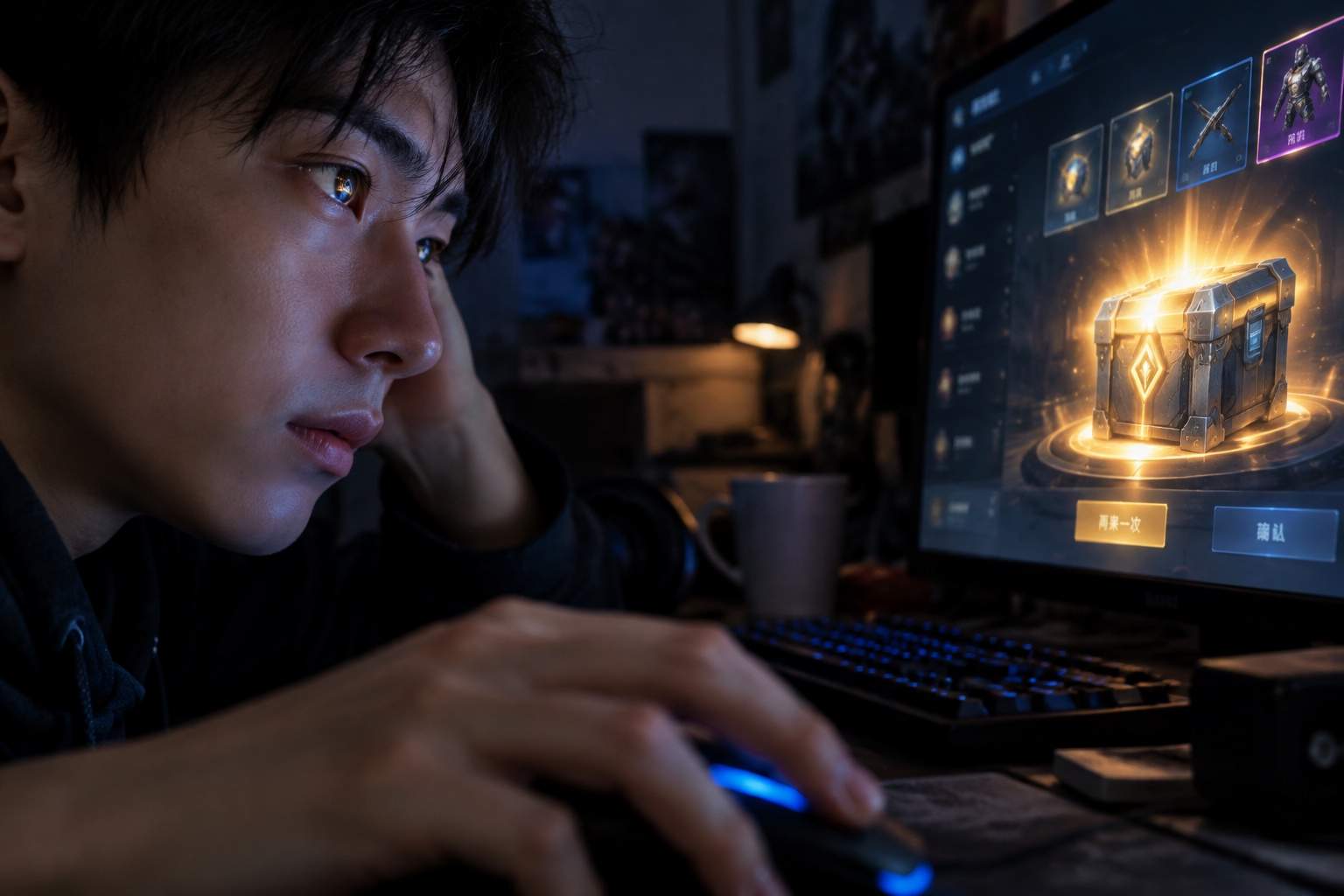
My friend Jake dropped $300 on a 4K webcam last month, then texted me at 2 a.m. panicking: “Why do I only have 2 viewers? My camera’s sick!” I logged into his Twitch stream—and immediately heard it: his voice sounded like he was talking through a tin can, even though his face was crystal clear. “You bought a fancy camera but used your laptop mic,” I said. He went quiet. That’s the 2025 creator trap: everyone thinks “good gear = viewers,” but the real secret’s simpler: pick the right tools, focus on your vibe, and stop overcomplicating it. Let’s break this down like we’re planning a casual stream—no jargon, just what actually gets you from “watching games” to “people watching you.”
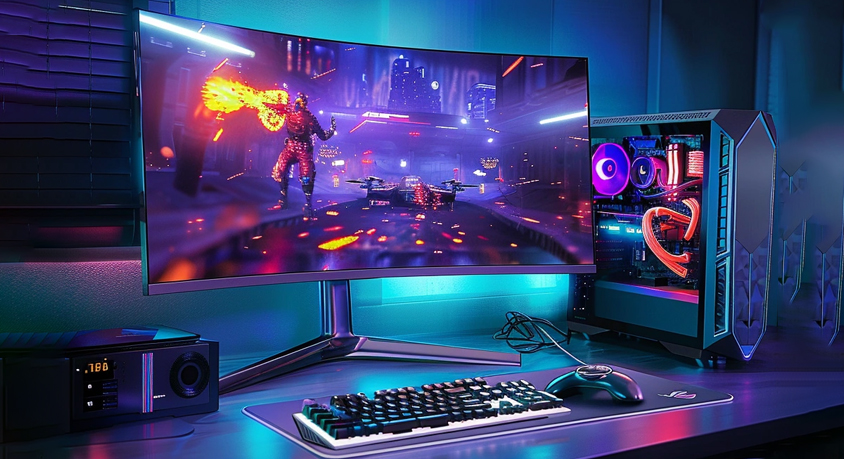
First, hardware: forget the “spend $1k or flop” myth. 2025’s best beginner setup fits in a backpack. Start with a USB condenser mic—$30-$50 tops. It’ll make your voice sound warm (no more tin can echoes) and is way easier than messing with XLR mics (save those for later). Jake swapped his laptop mic for one, and his next stream viewers commented: “Finally can hear you without cringing!” Next, a desktop ring light—$20. It beats your dim room lamp by a mile: no more shadows on your face, just soft light that makes you look awake (even if you pulled an all-nighter). A 1080p webcam? Fine for starters—4K’s overkill when you only have 10 viewers. And pro tip: grab a cheap phone stand if you don’t have a webcam—2025 phone cameras are good enough, and the stand lets you angle it so you’re not staring at the ceiling.
Software’s next, and it’s free (mostly). OBS Studio is the go-to—think of it as your “stream control center.” It lets you add your game, mic, and camera all in one screen, and there are 2025 tutorials on TikTok that walk you through setup in 5 minutes (search “OBS for noobs”). Jake tried Streamlabs first—its templates are cute, but it slowed his laptop down mid-stream. “OBS is boring, but it works,” he said later. If you want to edit clips for TikTok/YouTube? CapCut’s free and has game-specific filters (like “reduce lag blur”) that make your highlights look sharp. No need for Adobe Premiere—save that for when you’re making 20-minute videos, not 15-second clips of you failing at Elden Ring.
Platform choice is all about “what you want to build.” Twitch is for real-time vibes—if you love chatting while you play, this is it. 2025’s Twitch still rewards consistency: stream 3 nights a week, even for 2 hours, and viewers will start showing up. YouTube's “evergreen” content—like “10 Tips to Beat GTA6’s First Heist” or “Why Phantom Liberty Is Underrated.” Those videos stick around for months, so you can get views even when you’re not streaming. TikTok? It’s 2025’s “viral wildcard.” Post 15-second clips of your funniest moments (Jake’s clip of him yelling at a Stardew Valley chicken got 10k views) and link your Twitch/YouTube in your bio. The key: don’t spread yourself too thin—pick one main platform, then use the others to drive traffic.
Content niche is where most beginners flop. Jake started streaming “whatever’s popular”—Valorant one night, Animal Crossing the next—and no one remembered him. Then he tried “retro game deep dives”: he’d play 2000s games like Jak and Daxter and explain why they still hold up. Suddenly, viewers started saying, “I came for the old games—stay for your rants!” 2025’s audience doesn’t need another “generic Fortnite streamer”—they want someone with a hook. It could be “I only play bad games and roast them,” “I teach new players LoL,” or even “I stream while baking cookies.” The weirder, the more memorable.
Growth in 2025 isn’t about “getting big fast”—it’s about making friends. Jake used to ignore chat when he had 3 viewers; now he asks each one, “How was your day?” One regular started promoting his stream to their Discord, and his viewer count doubled. Collaborate with other new creators, too—Jake did a “retro game swap” stream with a girl who plays Spyro, and both their audiences grew. And skip the “buy followers” scams—2025 platforms flag fake accounts fast, and nothing kills trust like 1k followers but 2 viewers.
Monetization? Don’t rush it. Jake tried to sell merch after 2 weeks—no one bought it. Now, he waits: Twitch subs (viewers pay $5/month for perks like custom emotes) kick in once he hit 50 followers, YouTube ads start earning cash when he has 1k subscribers, and he recently did a small collab with a gaming snack brand (they sent him free chips to review). 2025’s small creators thrive on “micro-monetization”—little wins that add up, not big sponsorships.
Last week, Jake texted me: “I had 25 viewers tonight—one guy said my retro rants got him through a bad day.” That’s the point. 2025 game creation isn’t about being a “star”—it’s about sharing what you love with people who care. You don’t need perfect gear or a million views. Just grab a mic, pick a game you’re obsessed with, and hit “go live.” The rest? It’ll follow—one chat message, one clip, one happy viewer at a time.
Disclaimer: Mention of any brand or trademark is for identification only and does not imply partnership or endorsement