In 2020, as the world grappled with isolation, a quirky multiplayer game about colorful crewmates and sneaky impostors became an unexpected lifeline for social connection. Among Us, a game initially released in 2018, skyrocketed to fame during the COVID-19 pandemic, with U.S. downloads surging by 860% and high-profile figures like Congresswoman Alexandria Ocasio-Cortez (AOC) streaming it to millions. But what transformed this indie title into a cultural touchstone? Let’s explore how Among Us mastered the art of digital socialization and why its blend of chaos and camaraderie still resonates today.
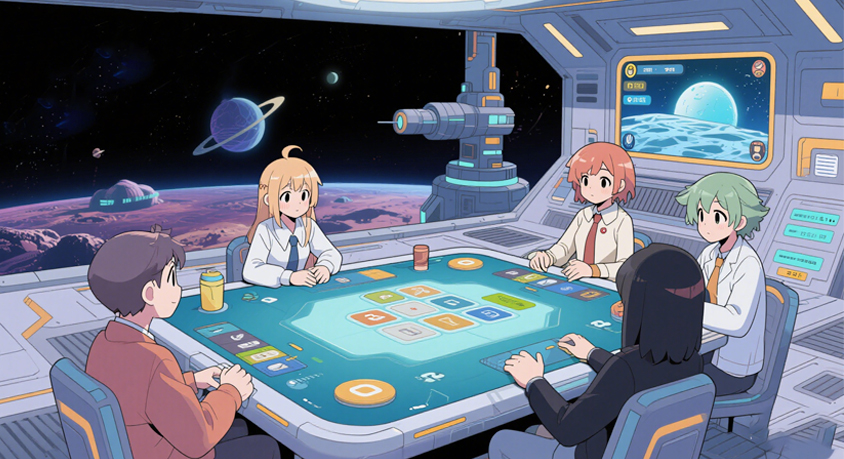
At its core, Among Us is a social deduction game set on a spaceship, space station, or alien planet. Players are divided into two roles:
Crewmates: Complete tasks like fixing wiring or diverting asteroids to prepare the ship for departure.
Impostors: Sabotage the ship, eliminate crewmates, and blend in to avoid detection.
The game’s brilliance lies in its simplicity. Matches last 10–15 minutes, and victory hinges on communication. Crewmates debate suspicions during emergency meetings, while impostors gaslight, deflect, and manipulate. With no complex controls or steep learning curve, Among Us became accessible to everyone—from casual gamers to grandparents.
Among Us’ 2020 explosion wasn’t just luck—it was a collision of smart design and cultural necessity. As lockdowns forced people indoors, the game offered a way to socialize safely. Key factors fueled its rise:
Streamer Adoption: Influencers like Sodapoppin and Pokimane began streaming the game on Twitch, showcasing its chaotic fun. Their audiences, craving shared experiences, flocked to play with friends.
Cross-Platform Play: Availability on PC, mobile, and consoles allowed seamless multiplayer across devices.
AOC’s Viral Stream: In October 2020, Alexandria Ocasio-Cortez livestreamed Among Us on Twitch with popular creators like Pokimane and HasanAbi, drawing over 430,000 concurrent viewers. The event highlighted the game’s crossover appeal, blending politics, pop culture, and humor.
By late 2020, Among Us had amassed 500 million monthly active users, proving that even a two-year-old indie game could dominate the cultural conversation.
Among Us didn’t just thrive on gameplay—it became a meme factory. The term “sus” (short for “suspicious”) entered mainstream slang, and iconic moments like “When the Impostor is Sus” spawned countless remixes and TikTok trends. The game’s minimalist art style also inspired fan art, animations, and parody videos.
Community contributions further enriched the experience:
Custom Mods: Players created roles like “Sheriff” (a crewmate who can kill) or “Jester” (a neutral player who wins by getting voted out).
Map Expansions: Fan-made maps like “The Airship” (later officially added by developers) kept the game fresh.
In-Game Fashion: Outfits like the “Noodle Hat” or “Mini Crewmate” pet became status symbols.
Even glitches turned into features. The “Henry Stickmin” collaboration, born from a fan theory, became an official in-game promotion.
Psychologists attribute Among Us’ appeal to its mimicry of real-world social dynamics. The game taps into:
Trust and Deception: Players must read body language (or, in this case, erratic movement patterns) and vocal tones to detect lies.
Group Psychology: Emergency meetings mirror jury deliberations, where persuasion and logic clash.
Catharsis: For impostors, the thrill of getting away with murder offers a safe outlet for mischief.
Studies have shown that games like Among Us improve critical thinking and empathy. Teachers even adapted it for classroom icebreakers, using tasks to teach teamwork and problem-solving.
Despite its success, Among Us faced hurdles. Server instability plagued early 2020, and the small development team at InnerSloth scrambled to meet demand. Toxicity in public lobbies also emerged, with players exploiting anonymity to harass others.
InnerSloth responded by:
Improving Moderation: Adding reporting tools and banning systems.
Expanding Content: Introducing new roles, maps, and cosmetics via updates.
Delaying a Sequel: Canceling Among Us 2 to focus on improving the original game—a decision that paid off with sustained player loyalty.
Among Us redefined how we connect in a disconnected world. It turned game nights into global phenomena, made politicians relatable, and proved that sometimes, the simplest ideas—arguing with friends over who’s “sus”—are the most enduring. As hybrid work and online socialization become the norm, Among Us remains a testament to the power of play to unite us.
Disclaimer: Mention of any brand or trademark is for identification only and does not imply partnership or endorsement